





K glass
K glass is a brand of low-e glass and a registered trademark. One of the first low-e glasses to be commercially available it has been manufactured by Pilkington glass for over 30 years.
As it is a well established product and well known 'K glass' is sometimes used synonymously with low-e glass as a generic term, it is however a specific product. The manufacturers state: '...it is the original hard coated, pyrolytic low-emissivity coated thermal glass'. It normally sits on the inside face of a Insulated Glass Unit (IGU) and willl help the unit achive a better Window Energy Rating (WER).
For more information visit the page Low-e glass.
[edit] Related articles on Designing Buildings
- Angular selective shading systems.
- Brise soleil.
- Choosing the correct glazed facade heating system.
- Computational fluid dynamics (CFD).
- Curved glass.
- Double glazing.
- Double glazing v triple glazing.
- Emissivity.
- g-value.
- Glass manifestation.
- Low-e glass.
- Solar heat gain coefficient.
- Thermal bridge.
- Thermal optical properties.
- Triple glazing.
- U value.
Featured articles
Check out some of the best features and news from Designing Buildings as well as key stories from around the web.
Changing expectations around competence and compliance

New information sheet from CIAT.
Grenfell investigation files passed to CPS

Angela Rayner apologises on behalf of the British state.

Electrical contractors need to understand the practical implications.

The real barrier to getting more value from digital technology.

Your guide to The Construction Reset at UKCW Birmingham.

Accommodating the Victorian and Edwardian working woman. Book review.
Rethinking passive fire protection in design

PFP demands the same level of design rigour as structure or services.

38% of Gen Zs feel safe when a fire door is wedged open.
Stunning images from around the world

Shortlist for CIOB’s Art of Building photography competition.

Guidance for conversion of traditional pre-1919 stone buildings.
Industrial heritage in the Ruhr

A marked difference to the fate of industrial landscapes in the UK.
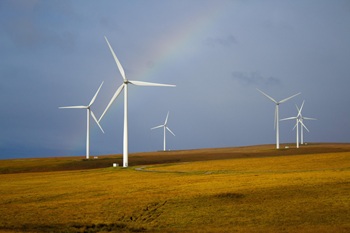
Communities will be able to build their own clean energy.